Managing diabetes often involves a combination of healthy eating, regular physical activity, medication when prescribed, and lifestyle changes.
Over the years, many natural foods and traditional wellness practices have gained attention for their potential role in supporting healthy blood sugar management. One topic that has recently become popular online is the “cactus trick for diabetes.”
The cactus trick generally refers to the use of edible cactus varieties, especially prickly pear cactus, as part of a diabetes-friendly diet. This traditional food has been consumed in regions such as Mexico and parts of the southwestern United States for generations.


The cactus trick for diabetes refers to using cactus-based foods like prickly pear as a wellness approach. Research suggests it may support blood sugar balance.
Today, researchers are exploring how compounds in cacti, fiber content, and plant nutrients may influence glucose metabolism and overall wellness.
However, it is important to understand that cactus is not a cure for diabetes. Instead, it may be considered a supportive food choice that can complement a balanced lifestyle.
Cactus may support diabetes management, but it should not replace medical treatment or prescribed medications.
This article explains what the cactus trick for diabetes means, how cactus may affect blood sugar, potential benefits, safety considerations, and what current research suggests.
What Is the Cactus Trick for Diabetes?
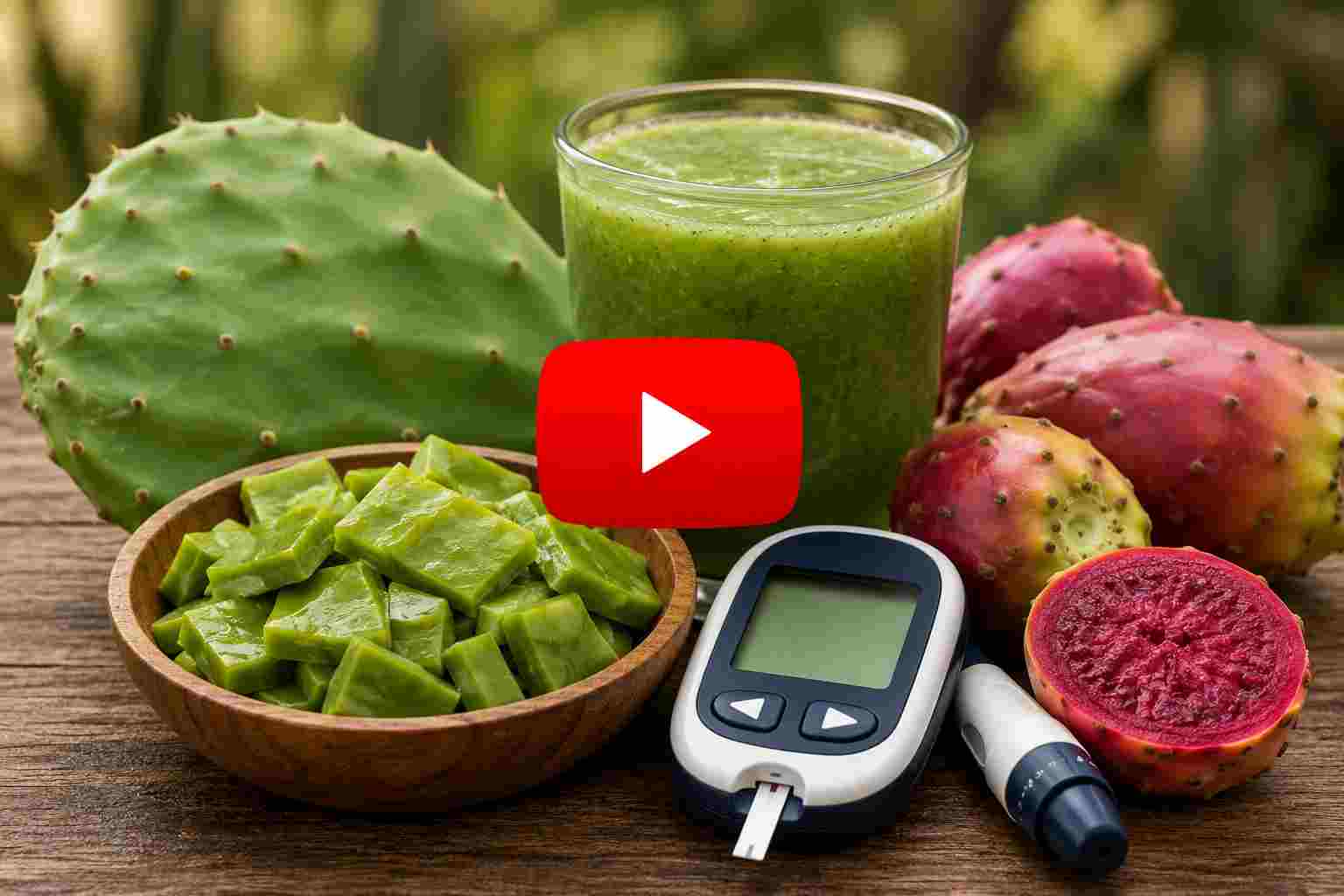
The cactus trick for diabetes is an online wellness term used to describe consuming cactus-based foods as a possible way to support blood sugar control. Most discussions focus on prickly pear cactus (Opuntia species), which produces edible pads called nopales and colorful fruit.
The cactus pads are commonly prepared as vegetables and contain nutrients that may be beneficial for metabolic health. They provide dietary fiber, antioxidants, minerals, and plant compounds that can support normal body functions.
Some people use cactus as part of meals, while others consume cactus supplements or extracts. The idea behind this approach is that cactus may help slow carbohydrate digestion, improve feelings of fullness, and support healthier glucose responses after eating.
The cactus trick is best viewed as a dietary habit, not a diabetes treatment. Diabetes management depends on many factors, including insulin function, medication use, activity levels, sleep, stress, and overall nutrition.
How Does Cactus Work for Blood Sugar Support?
Cactus contains several natural components that may contribute to its potential effects on blood sugar levels.
1. High Fiber Content
One of the main reasons cactus receives attention for diabetes support is its fiber content.
Dietary fiber can slow the digestion and absorption of carbohydrates. When carbohydrates enter the bloodstream more gradually, blood sugar levels may rise more slowly after meals.
Prickly pear cactus pads contain soluble and insoluble fiber, which may help support digestive health and balanced nutrient absorption.
Fiber-rich foods are an important part of many diabetes-friendly eating patterns.
Adding fiber-containing vegetables like cactus may help create more balanced meals when combined with lean proteins and healthy fats.
2. Supports Healthy Digestion
The fiber found in cactus may help promote regular digestion and support a healthy gut environment.
A healthy digestive system plays an important role in nutrient processing and overall metabolic wellness. Foods rich in plant fiber can encourage beneficial gut bacteria and support normal digestion.
While more research is needed, maintaining a fiber-rich diet is commonly recommended for people looking to support healthy blood sugar levels.
3. May Help With Post-Meal Blood Sugar Response
Some studies have examined whether prickly pear cactus consumption may influence blood sugar levels after meals.
The proposed explanation is that cactus fiber and plant compounds may slow glucose absorption from food. This could potentially reduce sharp increases in blood sugar following carbohydrate intake.
However, individual results can vary depending on diet, health conditions, medications, and portion sizes.
A single food cannot control diabetes by itself.
Cactus may work best as one part of a broader healthy eating strategy.
Nutritional Components Found in Cactus
Edible cactus contains several nutrients that contribute to its role as a healthy plant food.
Dietary Fiber
Fiber is one of the most important components of cactus and its relationship to metabolic health. It supports digestion and may contribute to improved fullness after meals.
Antioxidant Compounds
Cactus contains plant antioxidants that help protect cells from oxidative stress. Antioxidants are commonly studied for their role in supporting overall wellness.
Vitamins and Minerals
Cactus provides nutrients such as vitamin C, magnesium, and other minerals that support normal bodily functions.
Plant-Based Compounds
Prickly pear cactus contains bioactive plant compounds that researchers continue to study for their potential effects on inflammation, metabolism, and glucose regulation.

Potential Benefits of the Cactus Trick for Diabetes
Although cactus does not treat diabetes, including it as part of a balanced diet may provide several potential wellness benefits.
May Support Blood Sugar Balance
The fiber in cactus may help slow carbohydrate absorption and support steadier glucose responses after meals.This effect may be especially helpful when cactus replaces higher-carbohydrate side dishes.
May Promote Fullness and Portion Control
Foods rich in fiber often help people feel satisfied for longer periods. Feeling fuller after meals may support healthier eating habits and reduce unnecessary snacking, which can be beneficial for maintaining a balanced weight.
Supports Heart-Healthy Nutrition
People with diabetes often focus on cardiovascular wellness because blood sugar health and heart health are closely connected. Cactus is naturally low in calories and can be included in meals alongside vegetables, proteins, and healthy fats.
Provides Plant-Based Nutrition
Adding more vegetables and plant foods to meals can improve overall diet quality. Cactus offers a different source of nutrients compared with common vegetables and may add variety to a healthy meal plan.
How to Add Cactus to a Diabetes-Friendly Diet
Cactus can be included in meals in several simple ways.
Cactus Salad: Cooked cactus pads can be combined with vegetables, herbs, and healthy dressings to create a nutrient-rich salad.
Cactus With Eggs: Many traditional recipes combine cactus with eggs for a protein-rich breakfast option.
Cactus Vegetable Dishes: Cactus can be grilled, sautéed, or mixed into vegetable dishes.
Cactus Smoothies: Some people add cactus fruit or cactus products to smoothies. However, portion sizes and added sugars should be considered. .
Cactus Trick for Diabetes: What Does Science Say?
Research on cactus and diabetes is still developing. Some studies suggest that prickly pear cactus may have beneficial effects on glucose metabolism, but researchers continue investigating its long-term impact.
Studies involving cactus have explored areas such as:
- Blood sugar response after meals
- Antioxidant activity
- Digestive health
- Metabolic wellness
However, research results do not mean cactus can replace diabetes medications or professional medical guidance.
More large-scale human studies are needed to fully understand how cactus may influence diabetes management.
Is Cactus Safe for People With Diabetes?
For most people, edible cactus is considered a nutritious food choice when consumed as part of a balanced diet.
However, some considerations are important:
- People taking diabetes medications should monitor blood sugar changes when adding new foods.
- Cactus supplements may have different effects than whole foods.
- Individuals with allergies or digestive sensitivities should use caution.
- Pregnant or breastfeeding individuals should consult a healthcare professional before using cactus supplements.
Always discuss major dietary changes with a healthcare provider, especially when managing diabetes.
Possible Side Effects of Using Cactus
While cactus foods are generally well tolerated, some people may experience side effects.
Possible effects include:
- Digestive discomfort
- Bloating
- Changes in bowel habits
- Low blood sugar concerns when combined with certain diabetes medications
The risk may depend on the amount consumed and individual health factors.
Starting with small portions may help determine how your body responds.
Cactus Supplements vs. Whole Cactus Foods
Many cactus products are available as capsules, powders, and extracts. These products are marketed for various wellness purposes.
However, supplements may contain concentrated amounts of cactus compounds and may not provide the same benefits as eating whole foods.
Whole cactus pads provide fiber and nutrients that are naturally part of the food matrix.
When considering supplements, it is important to review product quality, ingredients, and safety information.
Who May Consider Adding Cactus to Their Diet?
Cactus may be suitable for people who:
- Want to add more vegetables to meals
- Prefer high-fiber foods
- Enjoy plant-based foods
- Are looking for new diabetes-friendly meal options
It may not be suitable for everyone, especially those with specific medical concerns or medication interactions.
Common Myths About the Cactus Trick for Diabetes
Myth 1: Cactus Can Cure Diabetes
There is no evidence that cactus cures diabetes. Diabetes requires proper management through medical care, nutrition, and lifestyle choices.
Myth 2: Eating Cactus Removes the Need for Medication
Some online claims suggest cactus can replace diabetes medication. This is not supported by medical evidence. Prescription treatments should only be changed under professional guidance.
Myth 3: More Cactus Means Better Results
Eating excessive amounts of any food does not guarantee better health outcomes. Balanced nutrition is more important than relying on one ingredient.
Final Thoughts
The cactus trick for diabetes highlights the potential benefits of adding nutrient-rich plant foods to a healthy lifestyle. Prickly pear cactus contains fiber, antioxidants, and important nutrients that may support digestion and balanced nutrition.
While research suggests that cactus may offer benefits for blood sugar support, it should be viewed as a complementary dietary choice rather than a diabetes solution.
Healthy habits, consistent nutrition, and medical guidance remain the foundation of effective diabetes management.
For people interested in trying cactus, adding small amounts of edible cactus to balanced meals may be a simple way to explore this traditional food while supporting overall wellness.
References
.