Sleep apnea is a common sleep disorder that affects millions of people worldwide. It causes repeated interruptions in breathing during sleep, often leading to poor sleep quality, daytime fatigue, loud snoring, and long-term health complications. Because conventional treatments such as CPAP machines can feel uncomfortable for some users, many people search for natural alternatives to support healthier sleep.

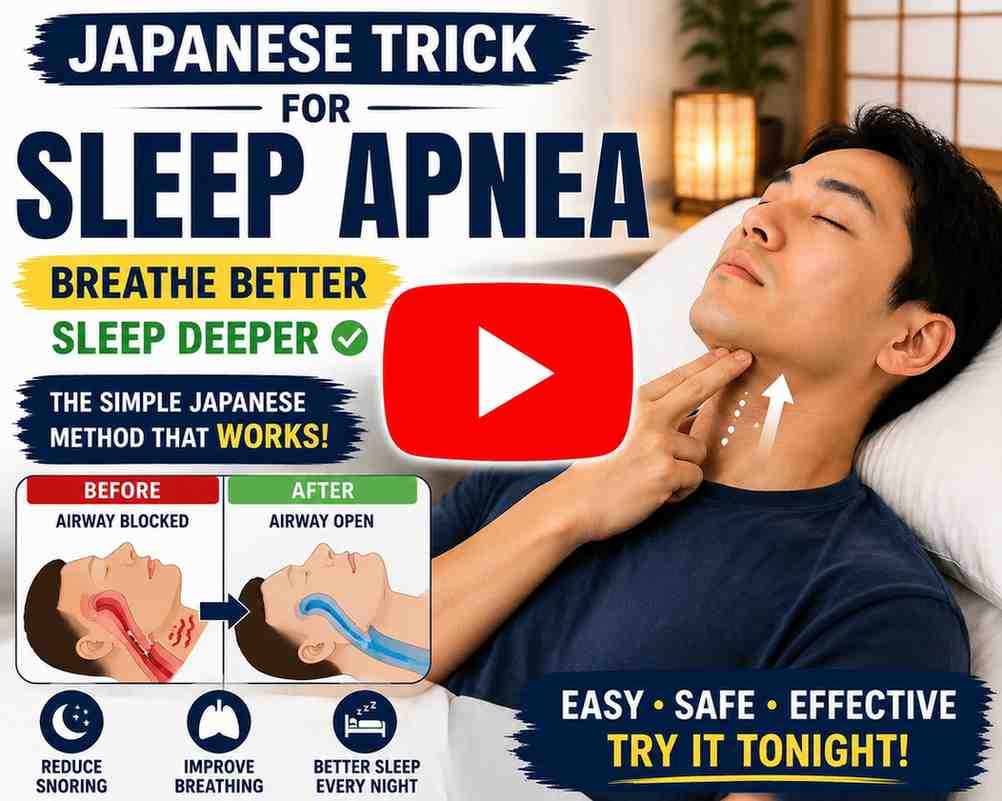
The Japanese trick for sleep apnea refers to breathing and sleep-position techniques that may support better sleep but are not a cure for sleep apnea.
One trend gaining attention online is the Japanese Trick for Sleep Apnea. Advocates claim that certain Japanese-inspired breathing techniques, sleeping positions, posture practices, and lifestyle habits may help improve airflow and support better sleep quality.
But does this Japanese trick actually work? Can it cure sleep apnea? Or is it simply another viral wellness trend?
In this comprehensive guide, we’ll explore what the Japanese trick for sleep apnea is, how it supposedly works, the science behind it, its potential benefits and limitations, and evidence-based ways to manage sleep apnea safely.
Understanding Sleep Apnea
Sleep apnea is a sleep-related breathing disorder in which breathing repeatedly stops and starts during sleep.
These interruptions may occur dozens or even hundreds of times throughout the night.
Sleep apnea affects both sleep quality and overall health.
Without proper treatment, it can increase the risk of serious health problems.
Main Types of Sleep Apnea
Obstructive Sleep Apnea (OSA)
This is the most common form. It occurs when throat muscles relax excessively during sleep and partially or completely block the airway.
Central Sleep Apnea
This type occurs when the brain fails to send proper signals to the muscles responsible for breathing.
Complex Sleep Apnea Syndrome
This condition combines features of both obstructive and central sleep apnea. Most people diagnosed with sleep apnea have obstructive sleep apnea. Understanding the specific type is important for proper treatment.
Common Symptoms of Sleep Apnea
People with sleep apnea may experience:
- Loud snoring
- Gasping during sleep
- Choking sensations at night
- Frequent awakenings
- Morning headaches
- Dry mouth
- Daytime fatigue
- Poor concentration
- Irritability
Many individuals remain unaware of their condition until a partner notices their symptoms.
Sleep apnea often goes undiagnosed for years.
Early identification can significantly improve quality of life.
What Is the Japanese Trick for Sleep Apnea?
The term “Japanese Trick for Sleep Apnea” is widely used online to describe several natural wellness practices believed to support breathing during sleep.
These practices commonly include:
- Nasal breathing techniques
- Side-sleeping positions
- Tongue posture exercises
- Breathing exercises
- Neck and throat muscle training
- Traditional Japanese wellness habits
Supporters suggest these methods may help improve airflow and reduce factors that contribute to sleep-disordered breathing.
The Japanese trick focuses on supporting natural breathing patterns.
However, it should not be viewed as a replacement for medical treatment.
Why Has the Japanese Trick Become Popular?
Several factors have contributed to its growing popularity.
Interest in Natural Remedies
Many people seek non-invasive approaches before considering medical devices. Natural methods often feel more accessible and easier to implement.
Viral Social Media Content
Videos promoting simple breathing techniques frequently gain millions of views. Personal success stories often encourage others to try similar methods.
Desire to Avoid CPAP Machines
Some individuals find CPAP therapy uncomfortable or inconvenient. As a result, they search for alternative strategies. People naturally seek simpler solutions for sleep problems. This demand fuels interest in wellness trends.
The Japanese Philosophy Behind Better Breathing
Traditional Japanese wellness practices often emphasize balance, posture, and mindful breathing.
Many Japanese health approaches focus on:
- Controlled breathing
- Proper body alignment
- Relaxation
- Stress reduction
- Consistent routines
These principles may indirectly support sleep quality. Breathing efficiency plays a major role in restorative sleep. Healthy breathing habits contribute to overall well-being.
Nasal Breathing: A Core Component
One frequently discussed element of the Japanese trick is nasal breathing.
Unlike mouth breathing, nasal breathing offers several advantages.
Benefits of Nasal Breathing
The nose helps:
- Filter air
- Humidify air
- Warm inhaled air
- Reduce airway irritation
Nasal breathing also encourages production of nitric oxide.
This compound supports healthy blood flow and oxygen utilization.
The nose is designed to be the body’s primary breathing pathway.
Many experts encourage nasal breathing whenever possible.
Side Sleeping and Airway Support
Sleep position significantly influences breathing during sleep.
Why Back Sleeping Can Be Problematic
When sleeping on the back:
- The tongue may fall backward
- Airway tissues may collapse
- Snoring may worsen
Benefits of Side Sleeping
Side sleeping may help:
- Maintain airway openness
- Reduce snoring
- Improve breathing patterns
Many sleep specialists recommend side sleeping for mild sleep apnea.
Position changes can sometimes reduce symptoms.
Tongue Posture and Airway Health
Some Japanese-inspired breathing practices emphasize proper tongue placement.
The tongue should ideally rest against the roof of the mouth.
Supporters believe this helps:
- Promote nasal breathing
- Encourage proper jaw alignment
- Support upper airway structure
Although research continues, tongue posture has attracted increasing interest.
Small changes in oral posture may influence breathing patterns.
Consistency is often required for noticeable improvements.
Breathing Exercises Often Associated with the Japanese Trick
Slow Deep Breathing
This exercise focuses on controlled inhalation and exhalation.
Benefits may include:
- Relaxation
- Stress reduction
- Improved breathing awareness
Diaphragmatic Breathing
Also called belly breathing. This technique encourages efficient lung expansion.
Rhythmic Breathing
Practitioners follow consistent breathing patterns. This may help reduce tension and improve sleep readiness. Breathing exercises primarily support relaxation and breathing efficiency. They do not eliminate airway obstruction.
Can the Japanese Trick Cure Sleep Apnea?
The short answer is no.
Currently, no scientific evidence shows that breathing exercises, posture techniques, or sleep position changes can cure moderate or severe sleep apnea.
Sleep apnea is a medical condition requiring proper evaluation.
Natural techniques may support symptom management but should not replace professional treatment.
What Science Says About These Techniques
Research supports certain components of the Japanese trick.
Sleep Position Research
Studies show that side sleeping may reduce airway obstruction in some individuals.
Breathing Exercises
Breathing exercises may:
- Improve respiratory muscle awareness
- Promote relaxation
- Support sleep quality
Weight Management
Many lifestyle-based approaches indirectly improve sleep apnea by supporting healthy body weight. Some elements have scientific support, but none are standalone cures. Comprehensive treatment remains important.
Additional Lifestyle Habits That May Help Sleep Apnea
Maintain a Healthy Weight
Excess body weight is a major risk factor for obstructive sleep apnea.
Weight loss may significantly reduce symptom severity.
Benefits Include:
- Reduced airway pressure
- Improved breathing
- Better sleep quality
Even modest weight loss can produce meaningful improvements. Many patients notice benefits with relatively small reductions.
Exercise Regularly
Physical activity supports:
- Weight management
- Cardiovascular health
- Respiratory function
Exercise may also improve sleep quality.
Movement supports healthier sleep in multiple ways. Consistency is more important than intensity.
Limit Alcohol Consumption
Alcohol relaxes throat muscles. This may worsen airway obstruction during sleep. Reducing alcohol intake often improves symptoms.
Establish a Sleep Routine
Regular sleep schedules help optimize sleep quality.
Try to:
- Sleep at consistent times
- Wake up consistently
- Create a calming bedtime routine
Consistency strengthens healthy sleep patterns. The body thrives on predictable rhythms.
Medical Treatments for Sleep Apnea
Natural techniques may help support better sleep, but medical treatment remains the gold standard for many cases.
CPAP Therapy
Continuous Positive Airway Pressure (CPAP) is the most commonly prescribed treatment.
It keeps the airway open during sleep.
Benefits Include:
- Improved oxygen levels
- Better sleep quality
- Reduced daytime fatigue
CPAP remains one of the most effective sleep apnea treatments available.
Many patients experience dramatic improvements.
Oral Appliances
Dental devices can reposition the jaw and tongue. These devices may benefit some individuals with mild to moderate sleep apnea.
Surgical Options
In certain cases, surgery may be recommended. Procedures aim to improve airway structure and airflow.
Professional Sleep Studies
A sleep study helps determine:
- Severity of sleep apnea
- Breathing interruptions
- Oxygen levels
Proper diagnosis is essential for effective treatment.
Treatment plans should be personalized.
Common Myths About the Japanese Trick
Myth 1: It Cures Sleep Apnea
False. There is no scientific evidence supporting a cure.
Myth 2: Breathing Exercises Replace CPAP
False. Breathing exercises may complement treatment but do not replace medical therapy.
Myth 3: Sleep Position Alone Solves Severe Cases
False. Severe sleep apnea often requires additional interventions.
Myth 4: One Technique Works for Everyone
False. Sleep apnea varies greatly between individuals.
Personalized treatment produces the best outcomes.
What helps one person may not help another.
Who Might Benefit from These Techniques?
The Japanese trick may be useful for:
- Mild snoring sufferers
- Individuals seeking healthier sleep habits
- People interested in breathing exercises
- Those wanting better sleep hygiene
These practices can be incorporated into a broader wellness routine.
Who Should Seek Medical Evaluation?
Professional evaluation is strongly recommended for:
- Loud chronic snoring
- Witnessed breathing pauses
- Severe daytime fatigue
- High blood pressure
- Morning headaches
- Existing heart disease
Ignoring sleep apnea can have serious consequences.
Prompt treatment protects long-term health.
Expert Perspective on the Japanese Trick for Sleep Apnea
From a wellness perspective, the Japanese trick emphasizes several healthy practices that may support better breathing and improved sleep quality.
Nasal breathing, side sleeping, relaxation exercises, and posture awareness can all contribute positively to overall wellness.
However, these techniques should be viewed as supportive habits rather than medical treatments.
Healthy habits can support sleep.
Medical treatment addresses the underlying disorder.
Combining both approaches often produces the best results.
Final Verdict
The Japanese Trick for Sleep Apnea has gained popularity for promoting simple, natural practices that encourage healthier breathing and improved sleep habits. Techniques such as nasal breathing, side sleeping, diaphragmatic breathing, and posture awareness may help some individuals experience better sleep quality.
However, there is currently no scientific evidence proving that these techniques cure sleep apnea.
The Japanese trick is a supportive wellness practice, not a cure. Sleep apnea requires proper diagnosis and management. Professional treatment remains the safest and most effective approach.
Individuals concerned about sleep apnea should work with a qualified healthcare provider to identify the underlying cause and develop a personalized treatment plan that supports long-term health and restorative sleep.
References
.