GLP-1 medications have become some of the most talked-about treatments for weight management and type 2 diabetes. With the growing popularity of medications such as Wegovy, Ozempic, Zepbound, Mounjaro, Saxenda, and Rybelsus, many patients are asking an important question:
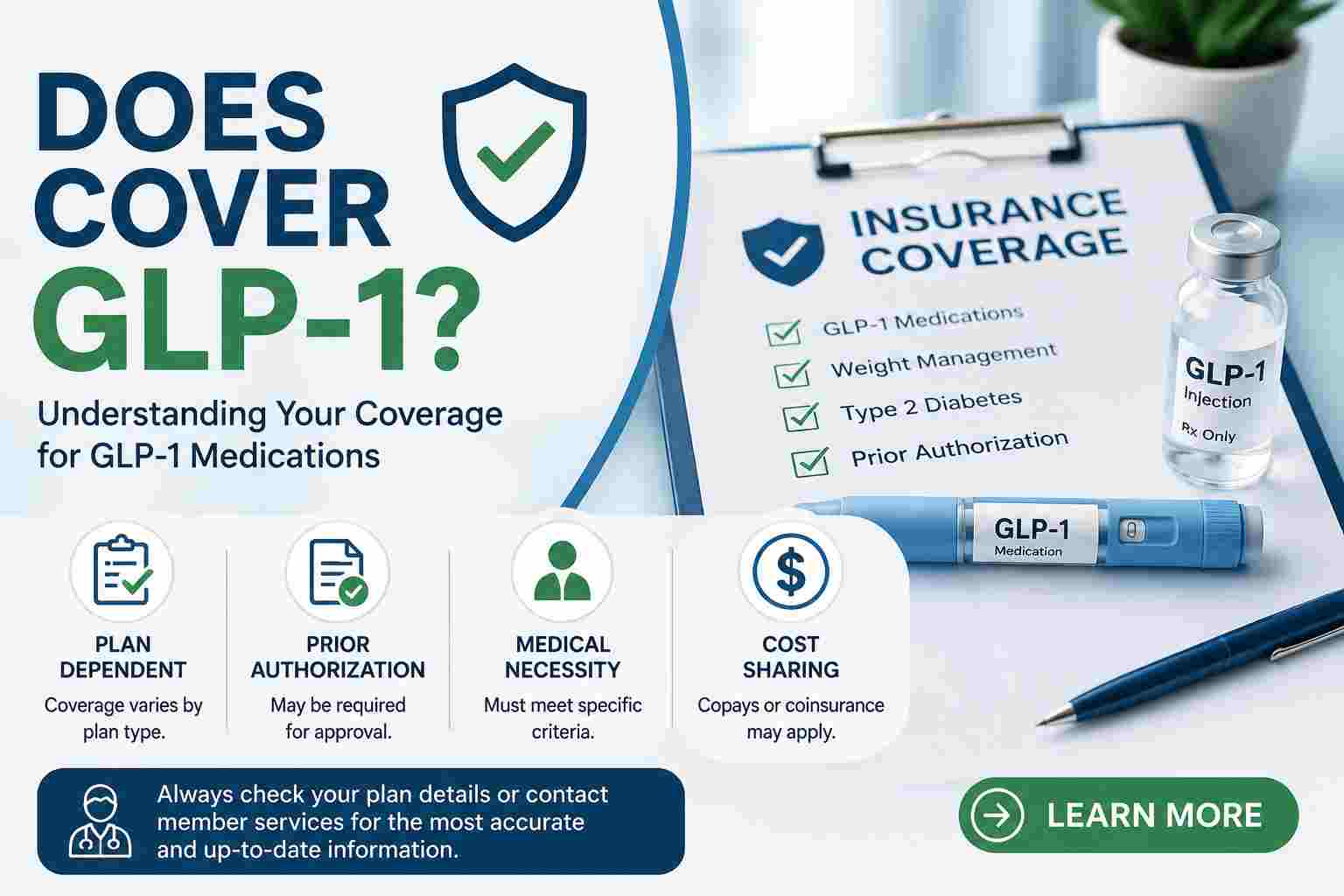
Cigna may cover GLP-1 medications for diabetes or weight loss depending on your plan, prior authorization requirements, and medical eligibility.
The answer is not always straightforward. Cigna coverage for GLP-1 drugs depends on several factors, including your specific insurance plan, the reason the medication is prescribed, your medical history, and whether prior authorization requirements are met.
If you’re considering GLP-1 treatment and want to understand how Cigna insurance may help cover the cost, this guide explains everything you need to know.
What Are GLP-1 Medications?
GLP-1 stands for glucagon-like peptide-1, a naturally occurring hormone that helps regulate blood sugar levels and appetite.
GLP-1 receptor agonists mimic this hormone and help:
- Reduce appetite
- Slow stomach emptying
- Improve blood sugar control
- Increase feelings of fullness
- Support long-term weight loss
GLP-1 medications have transformed obesity and diabetes treatment.
Some of the most commonly prescribed GLP-1 medications include:
- Wegovy (semaglutide)
- Ozempic (semaglutide)
- Rybelsus (semaglutide)
- Saxenda (liraglutide)
- Victoza (liraglutide)
- Mounjaro (tirzepatide)
- Zepbound (tirzepatide)
- Trulicity (dulaglutide)
These medications are often prescribed for either diabetes management, weight loss, or both.
Does Cigna Cover GLP-1 Medications?
Yes, Cigna may cover GLP-1 medications.
However, coverage varies significantly between plans.
Several factors determine whether Cigna will approve coverage:
- Type of Cigna plan
- Employer-sponsored benefits
- State regulations
- Medical necessity
- FDA-approved use
- Prior authorization approval
Not all Cigna plans cover GLP-1 drugs for weight loss.
Some plans provide coverage only for diabetes treatment, while others include obesity management benefits.
Does Cigna Cover GLP-1 for Weight Loss?
Coverage for weight-loss medications is more limited than for diabetes medications.
Many health insurance providers, including Cigna, evaluate weight-loss drugs separately from diabetes treatments.
Coverage may be available if:
- Your plan includes obesity treatment benefits
- You meet BMI requirements
- Your healthcare provider documents medical necessity
- Alternative treatments have been attempted
Typically, patients may qualify if they have:
- BMI of 30 or greater
or
- BMI of 27 or greater with a weight-related condition such as:
- Hypertension
- Sleep apnea
- Type 2 diabetes
- High cholesterol
- Cardiovascular disease
Weight-loss coverage depends heavily on your specific policy.
Does Cigna Cover Wegovy?
Wegovy is one of the most commonly prescribed GLP-1 medications for chronic weight management.
Cigna may cover Wegovy if:
- Weight loss medications are included in your plan
- Medical criteria are met
- Prior authorization is approved
Coverage often requires documentation showing:
- Current BMI
- Medical history
- Previous weight-loss attempts
- Related health conditions
Some plans may impose quantity limits or ongoing monitoring requirements.
Does Cigna Cover Ozempic?
Ozempic is FDA-approved for the management of type 2 diabetes.
Because it is approved for diabetes treatment, insurance coverage is often more readily available than for weight-loss medications.
Patients may receive coverage if they:
- Have diagnosed type 2 diabetes
- Meet formulary requirements
- Obtain prior authorization if required
Coverage for Ozempic prescribed solely for weight loss may be more difficult.
Insurance companies generally prefer medications specifically approved for obesity treatment when weight loss is the primary goal.
Does Cigna Cover Zepbound?
Zepbound is a newer medication approved for chronic weight management.
Coverage depends on whether:
- Obesity medications are included in the plan
- BMI criteria are met
- Prior authorization requirements are satisfied
Because Zepbound is relatively new, formulary placement can vary across different Cigna plans.
Patients should verify coverage directly with Cigna before beginning treatment.
Does Cigna Cover Mounjaro?
Mounjaro is approved for the treatment of type 2 diabetes.
Coverage is often available when prescribed for diabetes management.
Insurance approval may require:
- Confirmed diabetes diagnosis
- Clinical documentation
- Prior authorization
As with Ozempic, off-label weight loss use may face additional restrictions.
Why Does Cigna Require Prior Authorization?
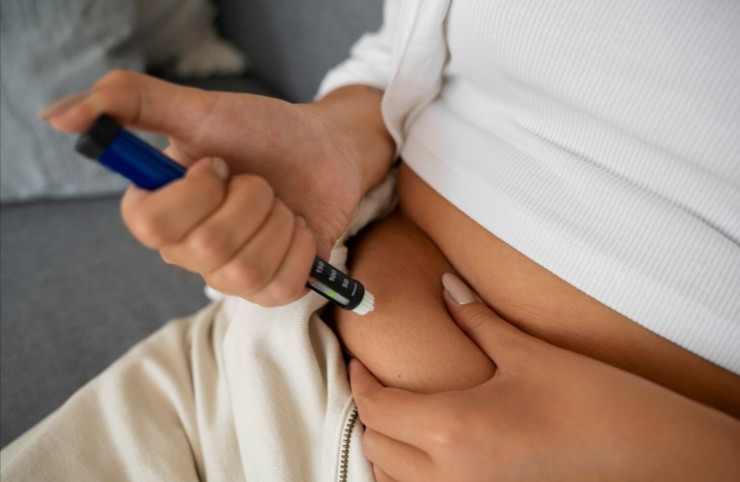
Prior authorization is a review process used by insurance companies to determine whether a medication is medically necessary.
For GLP-1 medications, prior authorization helps verify:
- Medical diagnosis
- Treatment eligibility
- Safety considerations
- FDA-approved use
- Previous treatment history
Prior authorization is one of the most common reasons for delays in GLP-1 approval.
Patients should work closely with their healthcare provider to submit complete documentation.
What Information Does Cigna Need for Approval?
Healthcare providers may need to submit:
- Current diagnosis
- BMI measurements
- Medical records
- Laboratory results
- Medication history
- Previous weight-loss efforts
- Documentation of obesity-related conditions
Providing complete information can improve the chances of approval.
How to Check if Your Cigna Plan Covers GLP-1
The easiest way to verify coverage is to review your specific benefits.
You can:
Review Your Drug Formulary
The formulary is the list of medications covered under your plan.
Check whether:
- Wegovy is listed
- Ozempic is listed
- Zepbound is listed
- Mounjaro is listed
Contact Cigna Directly
Customer service representatives can explain:
- Coverage status
- Prior authorization requirements
- Copayment amounts
- Deductibles
- Alternative covered medications
Ask Your Healthcare Provider
Many clinics verify insurance benefits before prescribing treatment.
This can help identify potential coverage issues early.
What If Cigna Denies Coverage?
A denial does not necessarily mean coverage is impossible.
Patients may have several options.
Request an Appeal
You have the right to appeal many insurance decisions.
Appeals may include:
- Additional medical documentation
- Physician letters
- Evidence of medical necessity
Submit Further Documentation
Additional records may demonstrate:
- Obesity-related health risks
- Previous treatment failures
- Clinical need for GLP-1 therapy
Explore Alternative GLP-1 Medications
Some medications may have more favorable formulary status than others.
Your provider may recommend a covered alternative.

How Much Do GLP-1 Medications Cost Without Insurance?
Without insurance coverage, GLP-1 medications can be expensive.
Typical monthly retail costs may range from:
- $800 to over $1,500 per month
Prices vary based on:
- Medication type
- Dosage
- Pharmacy
- Geographic location
Insurance coverage can dramatically reduce out-of-pocket expenses.
Factors That Affect Your Out-of-Pocket Costs
Even if Cigna covers your medication, costs may still vary.
Important factors include:
Deductible
You may need to satisfy your annual deductible before coverage begins.
Copayment
Some plans charge a fixed fee per prescription.
Coinsurance
Instead of a flat fee, some plans require a percentage of medication costs.
Pharmacy Network
Using preferred pharmacies can often reduce expenses.
Are Employer-Sponsored Cigna Plans Different?
Yes.
Employer-sponsored plans often customize benefit structures.
One employer may offer:
- Comprehensive weight-loss coverage
While another employer’s plan may exclude:
- Obesity medications entirely
Two people with Cigna insurance may have very different coverage.
This is why reviewing your individual policy is essential.
Medical Conditions That May Improve Approval Chances
Certain health conditions can strengthen the case for GLP-1 coverage.
These include:
- Type 2 diabetes
- Hypertension
- High cholesterol
- Sleep apnea
- Heart disease
- Metabolic syndrome
- Obesity-related complications
The presence of these conditions may help demonstrate medical necessity.
Benefits of GLP-1 Therapy
Patients often pursue GLP-1 treatment because of its potential health benefits.
Common benefits include:
Weight Loss
Many patients experience meaningful reductions in body weight.
Improved Blood Sugar Control
GLP-1 medications help regulate glucose levels.
Reduced Appetite
Patients frequently report feeling less hungry throughout the day.
Better Cardiometabolic Health
Weight reduction may improve:
- Blood pressure
- Cholesterol levels
- Insulin sensitivity
GLP-1 medications address more than weight alone.
Who Is Most Likely to Qualify for Coverage?
Patients are often more likely to qualify if they:
- Meet BMI requirements
- Have obesity-related health conditions
- Have type 2 diabetes
- Complete prior authorization requirements
- Follow treatment guidelines
Coverage decisions remain individualized.
Can Coverage Change Over Time?
Yes.
Insurance formularies change regularly.
A medication covered this year may:
- Move to a different tier
- Require new authorization
- Gain expanded coverage
- Lose preferred status
Patients should review benefits annually.
How Telehealth Providers Can Help
Many telehealth and weight-management providers assist patients with:
- Insurance verification
- Prior authorization submissions
- Prescription management
- Ongoing treatment monitoring
This support may simplify the approval process.
Common Reasons GLP-1 Coverage Is Denied
Denials often occur because:
- BMI criteria are not met
- Weight-loss benefits are excluded
- Required documentation is incomplete
- Prior authorization was not approved
- Alternative treatments were not attempted
Understanding the reason for denial can help determine the next steps.
Tips for Improving Approval Chances
Consider the following strategies:
Maintain Accurate Medical Records
Document:
- Weight history
- BMI changes
- Previous treatments
- Related health conditions
Work With an Experienced Provider
Providers familiar with insurance requirements often know what documentation is needed.
Respond Quickly to Requests
Insurance companies may ask for additional information during review.
Prompt responses can help avoid delays.
Understand Your Policy
Knowing your plan details can prevent surprises.
Final Thoughts
If you’re wondering, “Does Cigna cover GLP-1 medications?”, the answer is often yes but coverage depends on your specific plan, medical condition, and whether required approval criteria are met.
Every Cigna plan is different.
Patients seeking GLP-1 therapy for diabetes generally have a higher likelihood of coverage, while those pursuing treatment for weight loss may need to meet additional requirements. Prior authorization, BMI criteria, and medical necessity documentation often play critical roles in the approval process.
The best first step is to verify your individual benefits and discuss treatment options with a qualified healthcare provider.
As GLP-1 medications continue transforming diabetes and obesity care, understanding your insurance coverage can help you access the treatment you need while minimizing out-of-pocket expenses.
References
Glucagon-Like Peptide-1 Receptor Agonists
A Quick Guide to GLP-1 Medications: Cost, Effectiveness, and More
Glucagon-like peptide-1
.