Constipation is one of the most common digestive concerns, affecting people of all ages. It can cause uncomfortable symptoms such as infrequent bowel movements, hard stools, bloating, straining, and a feeling that the bowel has not fully emptied.
While many people turn to fiber-rich foods, increased water intake, or over-the-counter solutions, probiotics have gained attention as a potential natural approach for supporting digestive balance.
The question many people ask is: Do probiotics help with constipation? Research suggests that certain probiotic strains may support bowel regularity by improving the balance of beneficial bacteria in the gut, supporting healthy digestion, and influencing how quickly waste moves through the digestive system.
Yes, probiotics may help with constipation by supporting healthy gut bacteria, improving digestion, and promoting regular bowel movements naturally.


Probiotics are often called “good bacteria” because they help maintain a balanced gut environment. Since the gut microbiome plays an important role in digestion and overall wellness, supporting healthy levels of beneficial bacteria may help improve digestive comfort.
However, probiotics are not a quick fix for every type of constipation. Their effects can vary depending on the individual, the specific probiotic strain, diet, lifestyle habits, and the underlying cause of constipation.
This article explains how probiotics may help relieve constipation, which strains are commonly studied, how to use them effectively, and other lifestyle habits that can promote better digestive health.
What Are Probiotics?
Probiotics are living microorganisms that provide health benefits when consumed in adequate amounts. They are naturally found in some fermented foods and are also available as dietary supplements.
The digestive system contains trillions of microorganisms that make up the gut microbiome. This community of bacteria helps with several important functions, including:
- Breaking down certain foods
- Supporting normal digestion
- Maintaining intestinal balance
- Producing beneficial compounds
- Supporting regular bowel habits
A healthy gut microbiome contains a diverse mixture of bacteria. When this balance changes due to factors such as diet, stress, illness, or medication use, some people may experience digestive discomfort, including constipation.
Probiotics work by introducing beneficial bacteria that may help restore microbial balance and support a healthier digestive environment.
A balanced gut microbiome may play an important role in maintaining comfortable digestion.
Understanding Constipation and Its Common Causes
Constipation occurs when bowel movements become difficult, less frequent, or harder to pass. Although bowel habits differ from person to person, constipation is commonly associated with:
- Fewer than normal bowel movements
- Hard or dry stools
- Excessive straining
- Bloating and discomfort
- Feeling of incomplete emptying
Several factors can contribute to constipation, including:
- Low Fiber Intake: Fiber adds bulk to stool and helps support smoother movement through the digestive tract. Diets lacking fruits, vegetables, whole grains, and legumes may increase the risk of constipation.
- Dehydration: Water helps soften stool and supports normal digestive function. Not drinking enough fluids may make bowel movements more difficult.
- Lack of Physical Activity: Regular movement can encourage healthy intestinal activity. A sedentary lifestyle may slow digestion for some individuals.
- Changes in Routine: Travel, stress, schedule changes, or dietary changes can temporarily affect bowel habits.
- Gut Microbiome Imbalance: Changes in gut bacteria may affect digestion, stool consistency, and bowel movements. This is one reason probiotics are being studied for support with constipation.
Do Probiotics Help With Constipation?
Yes, probiotics may help some people with constipation by supporting a healthier gut environment and improving digestive function. However, results depend on the probiotic strain, individual health factors, and the cause of constipation.
Probiotics may support constipation relief through several possible mechanisms:
Supporting Healthy Gut Bacteria
- The gut contains a complex community of microorganisms that influence digestion. When beneficial bacteria are supported, the digestive system may function more efficiently.
- Certain probiotic strains may help increase beneficial bacteria populations and create a more balanced intestinal environment.
Improving Stool Consistency
- Some studies suggest that specific probiotics may help improve stool softness and ease bowel movements.
- Certain beneficial bacteria can influence water balance in the intestines, which may contribute to more comfortable stool passage.
Supporting Intestinal Movement
- The movement of food and waste through the digestive tract is called intestinal motility. Some probiotic strains may influence signals involved in normal digestive movement.
- Better intestinal movement may help reduce the feeling of sluggish digestion.
Supporting Digestive Comfort
- Constipation is often accompanied by bloating and abdominal discomfort.
- Probiotics may help support overall digestive balance, which can improve comfort for some individuals.
Probiotics may support digestive wellness, but they work best alongside healthy lifestyle habits.
How Do Probiotics Work for Constipation?
Probiotics are beneficial live microorganisms that help maintain a healthy balance of bacteria in the gut microbiome. Since the gut microbiome plays an important role in digestion, stool consistency, and intestinal movement, supporting beneficial bacteria may help promote more regular bowel habits. Probiotics may support constipation relief through several key mechanisms:
Restoring Gut Microbial Balance
Probiotics help increase beneficial bacteria in the digestive system while limiting the growth of unwanted microorganisms. A balanced gut environment supports smoother digestion and may encourage healthier bowel movement patterns.
Supporting Short-Chain Fatty Acid (SCFA) Production
Certain probiotic strains, including Bifidobacterium and Lactobacillus, help break down dietary fiber and produce short-chain fatty acids such as butyrate. These compounds may support intestinal health, improve stool softness, and encourage normal colon movement.
Influencing the Gut-Brain Connection
The gut and brain communicate through the gut-brain axis, which affects digestive function. Probiotics may help regulate signals involved in intestinal activity, including neurotransmitters like serotonin that play a role in coordinating natural bowel movements.
Supporting a Healthy Inflammatory Response
Digestive inflammation may affect normal intestinal function. Probiotics can help maintain a balanced immune response in the gut, creating an environment that supports comfortable digestion and regular bowel activity.
Best Probiotic Strains for Constipation Support
Not all probiotics work the same way. Different strains have different effects, and research often focuses on specific bacteria.
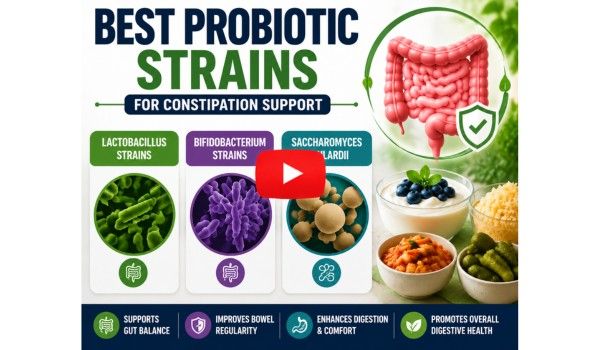
Common probiotic strains studied for digestive support include:
Lactobacillus Strains
Lactobacillus species are among the most commonly used probiotics. They may support digestive balance and help maintain normal bowel habits. Some Lactobacillus strains have been studied for their ability to improve stool consistency and digestive comfort.
Bifidobacterium Strains
Bifidobacterium bacteria naturally exist in the digestive tract. They are often included in probiotic supplements because they may support healthy intestinal function.
Saccharomyces boulardii
This beneficial yeast has been studied for digestive health support and maintaining intestinal balance. The effectiveness of a probiotic depends on the specific strain rather than only the general category of bacteria.
Probiotics vs Fiber for Constipation
Both probiotics and fiber may support digestive health, but they work differently.
| Support Method | How It May Help |
| Probiotics | Support healthy gut bacteria and digestive balance |
| Fiber | Adds bulk to stool and supports regular movement |
| Water | Helps maintain softer stool consistency |
| Exercise | Encourages normal digestive activity |
Many people benefit from combining probiotics with fiber-rich foods rather than relying on a single approach.
How Long Does It Take for Probiotics to Help Constipation?
The time needed to notice changes can vary from person to person. Some individuals may notice digestive improvements within a few weeks, while others may require longer consistent use.
Factors that influence results include:
- Type of probiotic strain
- Dosage
- Diet quality
- Hydration levels
- Activity level
- Severity and cause of constipation
Consistency is important because probiotics generally work by gradually supporting the gut environment.
How to Use Probiotics for Constipation
If you are considering probiotics for digestive support, these general tips may help:
Choose a Quality Probiotic
Look for products that clearly list probiotic strains and amounts. Different strains provide different benefits.
Take Probiotics Consistently
Regular use may provide better support than occasional use.
Follow Product Instructions
Always follow the recommended serving size listed on the product label.
Support Your Gut With Healthy Habits
Probiotics work best when combined with:
- A balanced diet
- Adequate hydration
- Regular movement
- Enough dietary fiber
Foods That Naturally Contain Probiotics
Probiotic-rich foods can also support gut health.
Examples include:
- Yogurt With Live Cultures: Yogurt containing live bacterial cultures may help introduce beneficial bacteria into the digestive system.
- Kefir: Kefir is a fermented beverage containing various beneficial microorganisms.
- Sauerkraut: Fermented cabbage may contain naturally occurring probiotics when prepared properly.
- Kimchi: This fermented vegetable food contains beneficial bacteria that support gut diversity.
- Fermented Pickles: Some traditionally fermented pickles contain probiotic microorganisms. Adding fermented foods to a balanced diet may help support overall digestive wellness.
Lifestyle Habits That Support Constipation Relief
While probiotics may help, lifestyle habits remain essential for healthy digestion.

Eat More Fiber-Rich Foods
Fiber sources include:
- Fruits
- Vegetables
- Whole grains
- Beans
- Nuts and seeds
Fiber helps increase stool bulk and supports regular bowel movement patterns.
Drink Enough Water
Adequate hydration helps support softer stool and normal digestive processes.
Stay Physically Active
Walking, stretching, and regular exercise may encourage healthy bowel activity.
Maintain a Consistent Bathroom Routine
Responding to natural bowel urges and creating regular habits may support better bowel patterns.
Manage Stress
Stress can affect digestion. Relaxation techniques, quality sleep, and mindfulness practices may support digestive comfort.
Possible Side Effects of Probiotics
Most people tolerate probiotics well, but some may experience temporary digestive changes.
Possible effects may include:
- Mild bloating
- Gas
- Changes in bowel habits
These effects often improve as the body adjusts.
People with certain medical conditions or weakened immune systems should speak with a healthcare professional before starting probiotic supplements.
Who May Benefit From Probiotics for Constipation?
Probiotics may be helpful for individuals experiencing occasional digestive irregularity or those looking to support gut health.
They may be considered by people who:
- Experience occasional constipation
- Want to support digestive balance
- Have low dietary intake of fermented foods
- Want additional digestive support alongside lifestyle changes
However, persistent constipation should be discussed with a healthcare professional to identify possible underlying causes.
Common Mistakes When Using Probiotics for Constipation
- Expecting Immediate Results: Probiotics typically require consistent use and may not provide instant relief.
- Choosing Any Probiotic Without Checking Strains: Different strains have different functions. Selecting a product solely because it contains the word “probiotic” may not provide the desired support.
- Ignoring Diet and Lifestyle: Probiotics work best as part of an overall digestive wellness routine.
- Taking Too Much: More probiotics do not always mean better results. Following recommended amounts is important.
Final Thoughts
Probiotics may help with constipation by supporting healthy gut bacteria, improving digestive balance, and encouraging more comfortable bowel habits.
While they are not a guaranteed solution for everyone, certain probiotic strains may provide valuable digestive support when combined with healthy lifestyle choices.
A balanced approach that includes probiotics, fiber-rich foods, hydration, regular movement, and mindful eating habits may provide the best support for maintaining digestive wellness.
Supporting your gut health may be an important step toward better overall digestive comfort.
References
https://pmc.ncbi.nlm.nih.gov/articles/PMC8838973/
https://www.healthline.com/nutrition/probiotics-for-constipation
https://pmc.ncbi.nlm.nih.gov/articles/PMC9773270/
.