When exploring modern treatments for blood sugar management and metabolic wellness, many people ask: “Is Trulicity a GLP-1?” The answer is yes. Trulicity is a medication that belongs to the GLP-1 receptor agonist class, which works by mimicking a naturally occurring hormone in the body called glucagon-like peptide-1 (GLP-1).
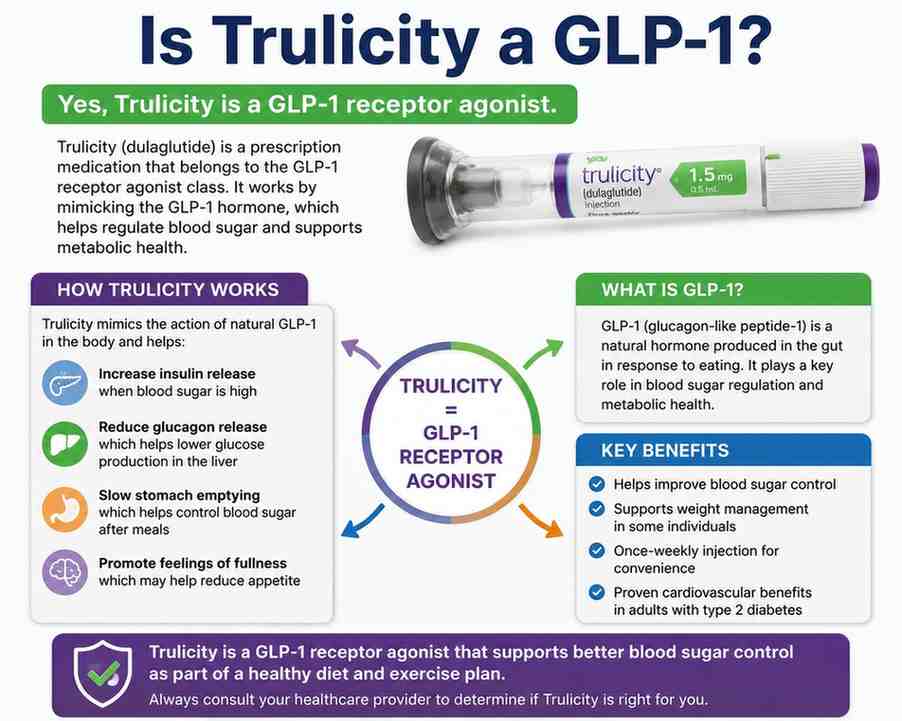
Trulicity is a GLP-1 receptor agonist containing dulaglutide, designed to support blood sugar management and help improve metabolic health.
GLP-1 medications have gained significant attention because of their role in supporting healthy blood sugar levels, improving insulin response, and helping regulate appetite. As awareness of metabolic health continues to grow, understanding how medications like Trulicity work can help individuals make more informed decisions about their healthcare options.
Trulicity contains the active ingredient dulaglutide, a laboratory-created version of a hormone that naturally helps the body manage glucose after eating. By activating GLP-1 receptors, Trulicity supports several important processes involved in maintaining balanced blood sugar levels.
This guide explains what Trulicity is, how it works as a GLP-1 medication, its benefits, how it supports the body, and important considerations for people interested in learning more.
What Is Trulicity?
Trulicity is a prescription medication developed to help adults manage type 2 diabetes as part of a complete health plan that may include nutrition changes, physical activity, and lifestyle improvements.
The medication contains dulaglutide, a GLP-1 receptor agonist. It works by interacting with GLP-1 receptors throughout the body to support natural processes involved in glucose regulation.
Unlike traditional medications that may focus on lowering blood sugar through a single pathway, GLP-1 receptor agonists act on multiple metabolic systems involved in metabolism.
Trulicity is typically administered once weekly via a prefilled injection device, as prescribed by a healthcare professional. The weekly dosing schedule is designed to provide consistent support over time.
Trulicity works by supporting the body’s natural ability to regulate blood sugar.
Is Trulicity a GLP-1 Medication?
Yes, Trulicity is a GLP-1 medication.
The term “GLP-1” refers to glucagon-like peptide-1, a hormone naturally produced in the digestive system. After eating, the body releases GLP-1, which sends signals that help manage glucose levels and support normal metabolic functions.
GLP-1 receptor agonists like Trulicity are designed to imitate the effects of this hormone. They bind to GLP-1 receptors and elicit similar responses in the body.
These effects include:
- Supporting insulin release when blood sugar levels are elevated
- Helping reduce unnecessary glucose production in the liver
- Slowing digestion after meals
- Supporting appetite regulation
Because Trulicity activates GLP-1 receptors, it is classified as a GLP-1 receptor agonist.
Trulicity belongs to the same medication family as other well-known GLP-1 treatments.
How Does Trulicity Work in the Body?
Understanding how Trulicity works requires understanding the role of GLP-1 in normal metabolism.
After a person eats food, especially carbohydrates, the digestive system releases GLP-1 hormones. These hormones communicate with different parts of the body to help maintain balanced glucose levels.
Trulicity’s active ingredient, dulaglutide, acts similarly to natural GLP-1.
Supports Insulin Response
One of the primary roles of GLP-1 is to help the pancreas release insulin when glucose levels rise after meals.
Trulicity supports this process by stimulating insulin production in a glucose-dependent manner. This means its effects are linked to elevated blood sugar levels.
Helps Manage Glucose Production
The liver naturally produces glucose, but excessive glucose production can contribute to higher blood sugar levels.
GLP-1 receptor activation can help reduce unnecessary glucose release from the liver, supporting better overall glucose balance.
Slows Stomach Emptying
Trulicity may slow the movement of food from the stomach into the small intestine. This can influence how quickly glucose enters the bloodstream after eating.
This slower digestion process may contribute to improved blood sugar control after meals.
Supports Appetite Regulation
GLP-1 hormones also interact with areas of the brain involved in hunger and fullness signals.
Because of this connection, GLP-1 medications may influence appetite patterns and eating behaviors in some individuals.
GLP-1 medications work by supporting multiple metabolic pathways rather than targeting only one function.
The Role of Dulaglutide in Trulicity
Dulaglutide is the active ingredient that makes Trulicity a GLP-1 receptor agonist.
Scientists developed dulaglutide to closely resemble the effects of naturally occurring GLP-1 while lasting longer in the body. This allows Trulicity to be used once weekly.
Dulaglutide is designed to activate GLP-1 receptors and support the body’s natural metabolic processes.
Its extended activity helps provide continuous support between doses, unlike natural GLP-1, which breaks down quickly in the body.
The development of dulaglutide represents advances in metabolic medicine by creating treatments that work with the body’s existing hormone systems.
Benefits Associated With Trulicity
Trulicity is primarily used to help manage blood sugar in adults with type 2 diabetes. Its GLP-1 activity provides several potential health benefits when used as prescribed.
Supports Healthy Blood Sugar Levels
One of the main benefits of Trulicity is its ability to support improved blood glucose control.
By helping the body respond more effectively to changes in glucose, Trulicity may help maintain healthier blood sugar levels over time.
Helps Improve Insulin Function
Trulicity supports insulin release when the body needs it most, particularly when glucose levels rise after meals.
This glucose-dependent action helps the medication work alongside the body’s natural processes.
Supports Metabolic Health
Because GLP-1 hormones influence several areas of metabolism, medications like Trulicity may provide broader metabolic support.
Healthy metabolic function plays an important role in energy balance, glucose management, and overall wellness.
May Support Appetite Awareness
Some individuals using GLP-1 medications report changes in hunger patterns and feelings of fullness.
These effects are related to how GLP-1 interacts with digestive processes and brain signals associated with appetite.
Trulicity’s benefits come from its ability to work with the body’s natural metabolic signals.

Trulicity Compared With Other GLP-1 Medications
Trulicity is one of several medications in the GLP-1 receptor agonist class. While all GLP-1 medications work by activating GLP-1 receptors, each medication has unique characteristics, dosing schedules, and approved uses.
Some GLP-1 medications are primarily designed for blood sugar management, while others may also be prescribed for additional metabolic goals depending on individual health needs.
Trulicity contains dulaglutide, while other medications in this category contain different active ingredients. These differences can affect how long they remain active in the body and how healthcare providers choose between available options.
Examples of GLP-1 receptor agonists include medications containing:
- Dulaglutide
- Semaglutide
- Liraglutide
- Exenatide
Each medication is evaluated based on factors such as:
- Individual health goals
- Medical history
- Treatment response
- Lifestyle factors
- Healthcare provider recommendations
All GLP-1 medications share a similar goal: supporting healthier metabolic function through GLP-1 receptor activation.
The best choice depends on a person’s specific needs and should always be discussed with a qualified healthcare professional.
How Trulicity Supports Blood Sugar Management
Blood sugar regulation involves several complex systems working together, including the pancreas, liver, digestive system, and hormones.
For individuals with type 2 diabetes, the body may not produce enough insulin or may not respond properly to insulin signals. This can lead to elevated blood glucose levels.
Trulicity helps support blood sugar management through several mechanisms:
Encourages Insulin Release
When glucose levels increase after meals, Trulicity helps stimulate insulin production. Insulin allows glucose to move from the bloodstream into cells where it can be used for energy.
Helps Reduce Glucagon Activity
Glucagon is a hormone responsible for signaling the liver to release stored glucose. Excess glucagon activity can contribute to higher blood sugar levels.
GLP-1 receptor activation may help regulate glucagon release, supporting improved glucose balance.
Supports Post-Meal Glucose Control
After eating, blood sugar levels naturally rise. Trulicity may help manage these increases by influencing digestion, insulin response, and glucose regulation.
Trulicity supports the body’s natural processes involved in maintaining balanced glucose levels.
Trulicity and Weight Management
Although Trulicity is not primarily approved as a weight-loss medication, GLP-1 medications are widely recognized for their connection with appetite and metabolism.
GLP-1 hormones naturally influence hunger signals, the speed of digestion, and feelings of fullness. Because Trulicity activates GLP-1 receptors, some individuals may experience changes in appetite while using the medication.
Possible weight-related effects may include:
- Feeling full sooner after meals
- Reduced appetite in some individuals
- Changes in eating patterns
- Improved focus on balanced nutrition
However, weight responses vary from person to person.
Factors that influence individual results may include:
- Diet quality
- Physical activity
- Metabolic health
- Medication adherence
- Individual body response
Healthy lifestyle habits remain an important part of achieving long-term wellness.
A healthcare provider can determine whether Trulicity is appropriate based on personal health goals.

Who May Use Trulicity?
Trulicity is generally prescribed for adults with type 2 diabetes who need additional support managing blood sugar levels.
Healthcare providers consider several factors before recommending any medication, including:
- Current blood glucose levels
- Overall health condition
- Existing medications
- Lifestyle habits
- Treatment goals
Trulicity may be considered when lifestyle changes alone are not providing enough blood sugar support.
It is not suitable for everyone, and medical guidance is essential before starting treatment.
A healthcare professional can evaluate whether a GLP-1 medication aligns with an individual’s health needs.
Important Factors Before Taking Trulicity
Before beginning Trulicity, individuals should discuss their medical history with their healthcare provider.
Important considerations may include:
Existing Health Conditions
Certain health conditions may affect whether Trulicity is an appropriate option.
A healthcare provider can review personal medical information and determine the safest approach.
Other Medications
Some medications may interact with Trulicity or require adjustments.
Providing a complete list of current medications helps healthcare professionals create a safe treatment plan.
Personal Treatment Goals
Every individual has different health goals. Some people may focus primarily on blood sugar management, while others may have additional metabolic concerns.
Personalized medical guidance helps create the most effective treatment approach.
Possible Side Effects of Trulicity
Like all prescription medications, Trulicity may cause side effects in some individuals.
Commonly reported effects may include:
- Nausea
- Diarrhea
- Vomiting
- Stomach discomfort
- Reduced appetite
These effects may improve as the body adjusts to treatment.
Maintaining proper hydration, following dietary recommendations, and communicating with a healthcare provider can help manage treatment experiences.
Some individuals may experience different responses, which is why ongoing medical guidance is important.
Every person responds differently to GLP-1 medications.
A healthcare provider should be contacted if unusual or concerning symptoms occur.
Supporting Trulicity Treatment With Healthy Habits
Medication works best when combined with supportive lifestyle choices.
A balanced approach may include:
Prioritizing Nutrient-Rich Foods
Choosing foods rich in protein, fiber, vitamins, and minerals can support overall wellness.
Balanced meals may help maintain energy levels and support healthy metabolic function.
Staying Hydrated
Adequate hydration supports digestion, energy levels, and normal bodily processes.
Drinking enough fluids throughout the day can be an important part of a healthy routine.
Maintaining Regular Movement
Physical activity supports cardiovascular health, muscle function, and metabolic wellness.
Activities such as walking, strength training, or other enjoyable exercises may complement a healthy lifestyle plan.
Following Medical Recommendations
Taking medication exactly as prescribed and attending regular healthcare appointments can support better outcomes.
Consistency is an important part of long-term health management.
Why GLP-1 Medications Like Trulicity Are Receiving More Attention
GLP-1 medications have become an important area of interest because they address multiple aspects of metabolic health.
Unlike medications that target only one pathway, GLP-1 receptor agonists interact with systems involved in:
- Blood sugar regulation
- Insulin response
- Digestion
- Appetite signaling
- Metabolic balance
Research into GLP-1 therapies continues as scientists explore their broader role in health management.
The growing interest in these medications highlights the importance of understanding how hormones influence overall wellness.
GLP-1 treatments represent an important advancement in metabolic healthcare.
The Future of GLP-1 Treatments
The development of GLP-1 medications has changed how healthcare providers approach metabolic conditions.
As research continues, scientists are learning more about how GLP-1 pathways influence different areas of health.
Future developments may provide additional insights into how these medications can support personalized healthcare strategies.
Understanding medications like Trulicity helps individuals become more informed about available treatment options.
Knowledge is an important part of making confident healthcare decisions.
Final Thoughts: Is Trulicity a GLP-1?
Yes, Trulicity is a GLP-1 medication. It belongs to the GLP-1 receptor agonist class and contains dulaglutide, an active ingredient that mimics the effects of the natural GLP-1 hormone.
By activating GLP-1 receptors, Trulicity helps support key metabolic processes, including insulin secretion, glucose regulation, and digestive function.
While Trulicity can provide valuable support for eligible individuals, treatment decisions should always be personalized and guided by a healthcare professional.
Combining appropriate medical care with balanced nutrition, regular activity, and healthy lifestyle habits can help support long-term wellness goals.
References
Trulicity vs. Ozempic: What Are the Differences?
Trulicity (Dulaglutide)
.