The connection between gut health and overall wellness has become a major focus in modern healthcare. As researchers continue to explore the relationship among digestion, metabolism, and healthy lifestyle habits, many people are interested in the role of probiotics and their connection to GLP-1 pathways.
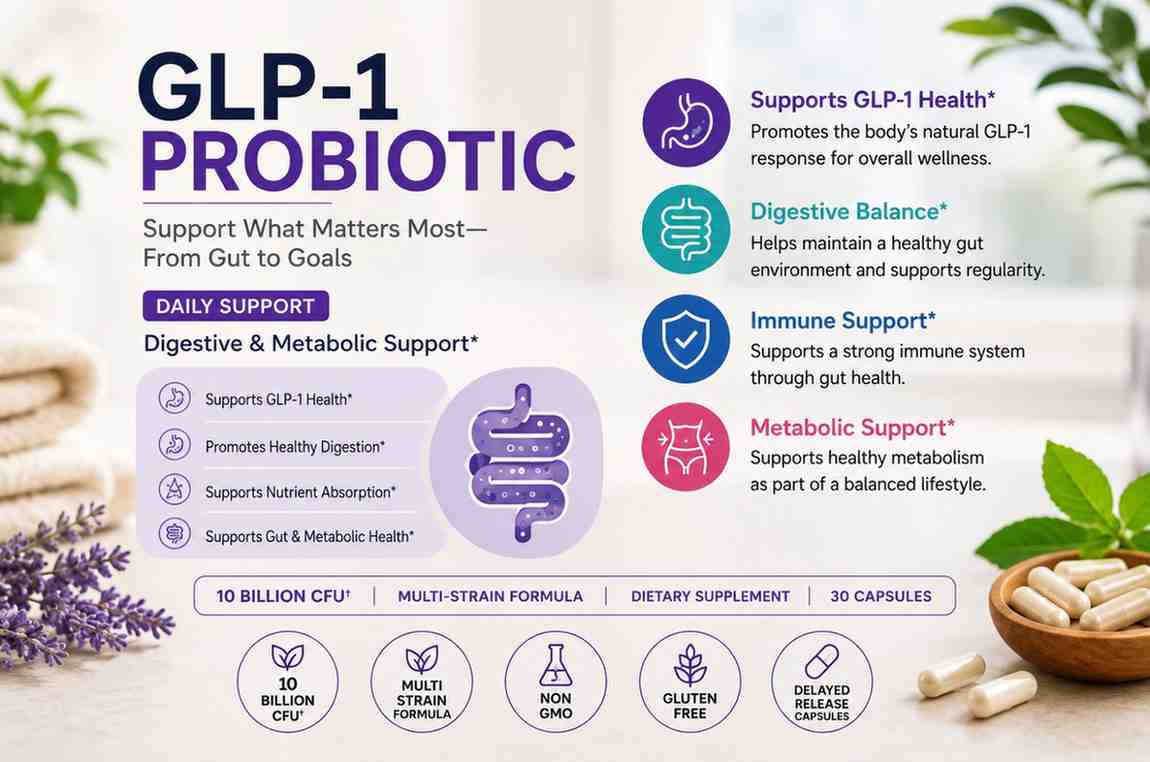
GLP-1 probiotics combine gut-supporting benefits with wellness strategies, helping support digestion, balance, and overall metabolic health.
The term GLP-1 probiotic refers to the growing interest in combining probiotic support with strategies that encourage healthy metabolic function. While probiotics are known for supporting the gut microbiome, GLP-1 is a naturally occurring hormone involved in important processes related to digestion, appetite signals, and glucose regulation.
Understanding how probiotics, gut bacteria, and GLP-1 pathways interact can help individuals make informed decisions about their wellness routines. This guide explores what GLP-1 probiotics are, how they relate to gut health, potential benefits, and how they may fit into a balanced approach to overall health.
What Is a GLP-1 Probiotic?
A GLP-1 probiotic is a term commonly used to describe probiotic products or gut health approaches that focus on supporting pathways associated with GLP-1 activity.
Probiotics are beneficial microorganisms that naturally support the balance of bacteria within the digestive system. The gut contains trillions of microorganisms that influence many areas of health, including:
- Digestive comfort
- Nutrient absorption
- Immune function
- Metabolic wellness
- Overall balance
GLP-1, or glucagon-like peptide-1, is a hormone produced naturally in the body. It plays a role in communication between the digestive system and other body systems.
The gut microbiome plays an important role in overall wellness.
Researchers continue studying how certain gut bacteria and dietary patterns may influence natural hormone responses, including pathways related to GLP-1.
Understanding the Connection Between Probiotics and GLP-1
The relationship between probiotics and GLP-1 is connected to the gut microbiome and how microorganisms interact with the digestive environment.
When beneficial bacteria break down certain types of dietary fibers, they can produce compounds called short-chain fatty acids. These compounds are involved in communication between gut cells and the body.
Some research suggests that a healthy gut environment may support natural processes involved in:
- Digestive function
- Metabolic balance
- Appetite signaling
- Nutrient processing
However, probiotics are not the same as prescription GLP-1 medications. Prescription GLP-1 treatments are clinically developed therapies designed for specific medical purposes, while probiotics are nutritional supplements intended to support gut health.
Probiotics support the gut; they do not replace prescribed medical treatments.
How Gut Health Influences Wellness
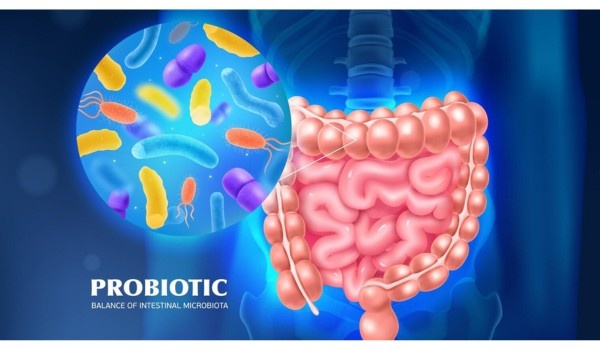
The digestive system is home to a complex community of microorganisms known as the gut microbiome.
A balanced gut microbiome can support many aspects of health by helping the body:
- Process nutrients efficiently
- Maintain digestive comfort
- Support natural immune defenses
- Maintain microbial balance
Lifestyle factors can influence gut health, including:
- Diet quality
- Fiber intake
- Hydration
- Sleep habits
- Physical activity
- Stress management
A healthy gut environment may contribute to better overall wellness when combined with consistent healthy habits.
Potential Benefits of GLP-1 Probiotic Support
While probiotics do not function like GLP-1 medications, maintaining a healthy gut microbiome may offer several wellness benefits.
Supports Digestive Balance
One of the primary benefits associated with probiotics is digestive support.
Beneficial bacteria may help maintain a balanced intestinal environment, which can support:
- Regular digestion
- Comfortable digestion
- Healthy gut function
A balanced digestive system allows the body to better process nutrients from food.
Supports a Healthy Gut Microbiome
The gut microbiome contains many different types of bacteria, both beneficial and naturally occurring.
Probiotic supplementation may help support microbial diversity and encourage a healthier balance within the digestive system.
A balanced microbiome is an important foundation for overall wellness.
Supports Metabolic Wellness
The gut microbiome is increasingly being studied for its connection with metabolism.
Healthy lifestyle habits that support gut bacteria may also contribute to:
- Better nutrient utilization
- Balanced energy levels
- Healthy metabolic processes
Probiotics may be one part of a broader wellness routine focused on maintaining metabolic health.
Supports Appetite and Wellness Goals
Because GLP-1 pathways are associated with appetite signaling, many people are interested in whether gut health can influence feelings of fullness and eating patterns.
A healthy lifestyle that includes:
- Protein-rich foods
- High-fiber foods
- Balanced meals
- Probiotic-rich foods
may support overall wellness goals.
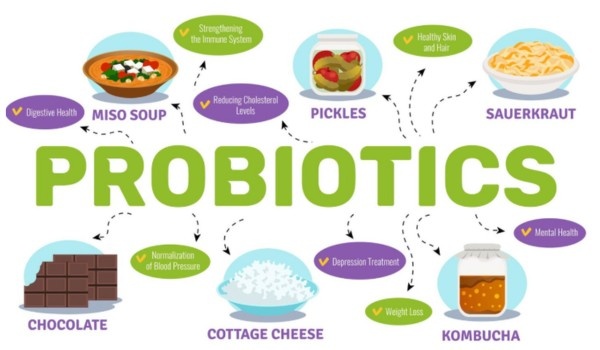
Foods That Naturally Support Gut Health
Before considering supplements, many people can support their gut microbiome through nutrition.
Some foods naturally contain probiotics or ingredients that support beneficial bacteria.
Fermented Foods
Fermented foods contain naturally occurring beneficial microorganisms.
Examples include:
- Yogurt with live cultures
- Kefir
- Sauerkraut
- Kimchi
- Fermented vegetables
These foods can be included as part of a balanced eating pattern.
Fiber-Rich Foods
Fiber provides fuel for beneficial gut bacteria.
Common fiber-rich foods include:
- Vegetables
- Fruits
- Beans
- Lentils
- Whole grains
- Nuts and seeds
Fiber is one of the most important nutrients for supporting gut bacteria.
Prebiotic Foods
Prebiotics are types of dietary fibers that help nourish beneficial bacteria.
Examples include:
- Garlic
- Onions
- Bananas
- Asparagus
- Chicory root
Including a variety of plant-based foods can help promote microbial diversity.
GLP-1 Probiotics vs GLP-1 Medications
Although the names sound similar, GLP-1 probiotics and GLP-1 medications are very different.
GLP-1 medications are prescription treatments developed to mimic or influence GLP-1 hormone activity.
Probiotics are supplements containing beneficial bacteria that support digestive health.
The main differences include:
Purpose
GLP-1 medications:
- Used for specific medical conditions
- Prescribed by healthcare providers
- Require medical monitoring
Probiotics:
- Support gut health
- Available as nutritional supplements
- Focus on digestive wellness
Function
GLP-1 medications work through targeted biological pathways.
Probiotics support the environment of the gut microbiome, which may influence overall wellness.
Both approaches serve different purposes and should not be considered interchangeable.
Choosing a GLP-1 Probiotic Supplement
If you are considering a probiotic supplement, several factors may help you choose an appropriate option.
Look at Probiotic Strains
Different probiotic strains may provide different benefits.
Common strains include:
- Lactobacillus species
- Bifidobacterium species
- Other beneficial microorganisms
The specific strain is often more important than simply the number of bacteria listed.
Check Quality Standards
A quality probiotic supplement should provide clear information about:
- Strain identification
- Serving size
- Storage instructions
- Manufacturing practices
Choosing products from reputable manufacturers can help support quality and consistency.
Consider Your Wellness Goals
Different individuals may have different reasons for using probiotics.
Some people focus on:
- Digestive comfort
- Gut balance
- General wellness
- Nutrition support
Your personal health goals should guide your choices.
How to Add Probiotics to a Healthy Lifestyle
Probiotics work best as part of a complete wellness approach.
Healthy habits that support gut health include:
Eat a Balanced Diet
A nutrient-rich diet provides the foundation for digestive wellness.
Focus on:
- Lean proteins
- Colorful vegetables
- Fruits
- Whole grains
- Healthy fats
- Fiber-rich foods
Stay Hydrated
Water supports digestion and helps maintain normal body functions.
Adequate hydration can complement a healthy nutrition plan.
Maintain Regular Movement
Physical activity supports many areas of wellness, including digestion and metabolism.
Regular movement may include:
- Walking
- Strength training
- Yoga
- Recreational activities
Prioritize Sleep
Sleep plays an important role in overall health.
Consistent sleep habits support:
- Energy levels
- Recovery
- Healthy routines
Who May Consider GLP-1 Probiotic Support?
Many healthy adults explore probiotics as part of their wellness routines.
People interested in supporting gut health may consider probiotics if they want to:
- Improve digestive balance
- Support microbiome health
- Add beneficial bacteria to their diet
However, individuals with specific medical conditions should discuss supplement choices with a healthcare professional.
The Role of NuWave Health and Wellness
At NuWave Health and Wellness, the focus is on helping individuals explore personalized wellness strategies that support their health goals.
A comprehensive wellness approach may include:
- Personalized guidance
- Nutrition support
- Healthy lifestyle recommendations
- Professional healthcare resources
Understanding how gut health connects with overall wellness can help individuals make thoughtful decisions about their health journey.
Final Thoughts on GLP-1 Probiotic Support
The interest in GLP-1 probiotics reflects a growing understanding of the connection between gut health and overall wellness.
While probiotics do not act like prescription GLP-1 medications, supporting a healthy gut microbiome may contribute to better digestive balance, nutrient processing, and metabolic wellness.
A healthy gut is an important part of a complete wellness strategy.
Combining probiotics with balanced nutrition, regular activity, hydration, and healthy lifestyle habits can help support long-term wellness goals.
Before starting any supplement, it is always recommended to discuss your individual needs with a qualified healthcare professional.
References
Is It Safe to Take a GLP-1 Medication with Digestive Health Conditions?
Can You Boost GLP-1 Naturally?
Glucagon-like peptide-1 receptor
.